• Welcome to your new Gnomio site

    Now, you are in control!

    Moodle is an open-source Learning Management System (LMS) that provides educators with the tools and features to create and manage online courses. It allows educators to organize course materials, create quizzes and assignments, host discussion forums, and track student progress. Moodle is highly flexible and can be customized to meet the specific needs of different institutions and learning environments.

    Moodle supports both synchronous and asynchronous learning environments, enabling educators to host live webinars, video conferences, and chat sessions, as well as providing a variety of tools that support self-paced learning, including videos, interactive quizzes, and discussion forums. The platform also integrates with other tools and systems, such as Google Apps and plagiarism detection software, to provide a seamless learning experience.

    Moodle is widely used in educational institutions, including universities, K-12 schools, and corporate training programs. It is well-suited to online and blended learning environments and distance education programs. Additionally, Moodle's accessibility features make it a popular choice for learners with disabilities, ensuring that courses are inclusive and accessible to all learners.

    The Moodle community is an active group of users, developers, and educators who contribute to the platform's development and improvement. The community provides support, resources, and documentation for users, as well as a forum for sharing ideas and best practices. Moodle releases regular updates and improvements, ensuring that the platform remains up-to-date with the latest technologies and best practices.

    Links of interest:

    (You can edit or remove this text)

Available courses

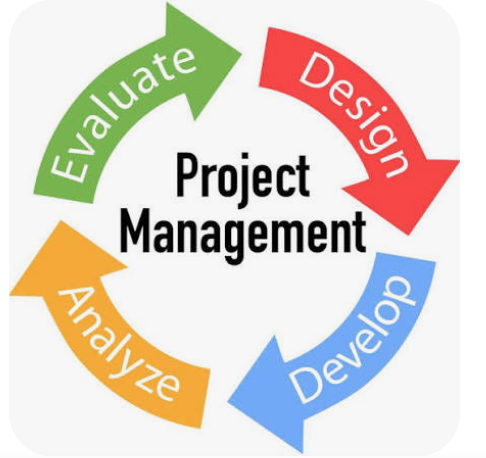
Diploma in Project Management is a professional qualification designed to equip you with the technical and leadership skills needed to plan, execute, and oversee projects from inception to completion. It bridges the gap between basic certificates and advanced degrees, focusing on real-world application across sectors like IT, construction, and NGOs.

Core Areas of Study
The curriculum typically follows the Project Management Body of Knowledge (PMBOK) framework. Key modules often include:
Canberra Institute of Technology +1
  • Project Lifecycle Management: Understanding the four major phases—Initiation, Planning, Execution, and Closure.
  • Resource & Financial Management: Skills in budgeting, cost estimation, and resource allocation.
  • Monitoring & Evaluation (M&E): Implementing frameworks to track progress and measure project impact.
  • Risk & Quality Management: Identifying potential project threats and ensuring deliverables meet defined standards.
  • Leadership & Communication: Managing project teams, stakeholder expectations, and professional reporting.